- แมลงมีคุณค่าทางโภชนาการสูง และเต็มไปด้วยวิตามิน แร่ธาตุ โปรตีน และไขมัน ที่ดีต่อสุขภาพ
- จิ้งหรีดบริโภคน้ำน้อยกว่าแหล่งโปรตีนอื่น ๆ
- เมื่อเทียบกับหมู วัว และสัตว์ปีก จิ้งหรีดมีความเสี่ยงน้อยกว่ามากในการนำโรคไปสู่มนุษย์
- การเลี้ยงจิ้งหรีดใช้พื้นที่น้อยกว่าสัตว์อื่น ๆ ที่เลี้ยงไว้เป็นอาหาร
- จิ้งหรีดต้องการอาหารน้อย แต่ให้โปรตีนในปริมาณเท่ากันเมื่อเทียบกับสัตว์ชนิดอื่น
- จิ้งหรีดผลิตมีเทนน้อยกว่า 80% เมื่อเทียบกับแหล่งโปรตีนจากสัตว์อื่น
- คาดว่าจิ้งหรีดมีโปรตีนมากกว่าวัวถึง 20%
- กระบวนการฆ่านั้นน่ากลัวน้อยกว่า และมีมนุษยธรรมมากกว่าโคเนื้อ หมู และไก่ ซึ่งฆ่าโดยใช้กระบวนการเกี่ยวข้องกับการระบายความร้อน ซึ่งทำให้พวกเขาอยู่ในสถานะที่เรียกว่า ระยะพักตัวจากการพัฒนาชั่วคราว หลังจากนี้อุณหภูมิจะลดลง ทำให้พวกมันหลับตายอย่างรวดเร็วและมีความเป็นมนุษยธรรม
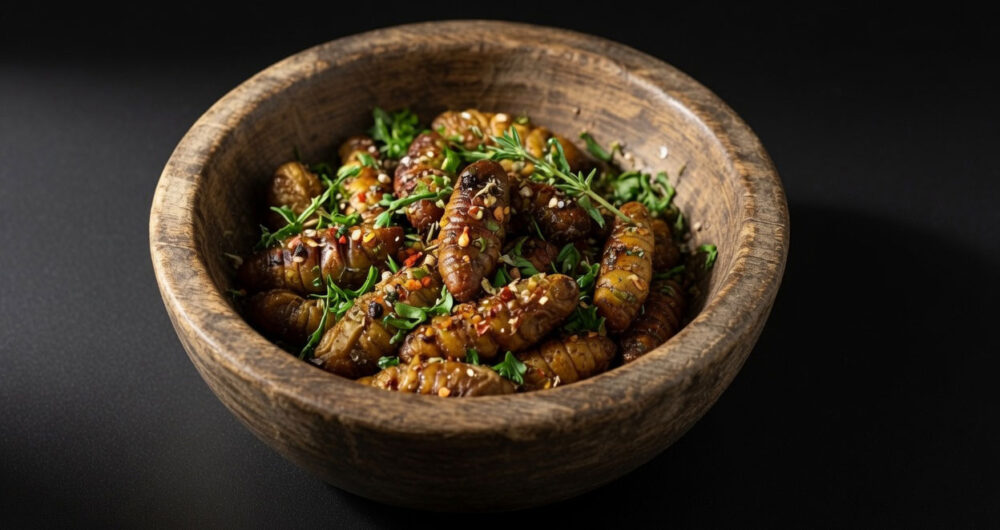
Why Eating Insects Is Good for You, the Planet, and the Future of Food.
In a world racing toward 10 billion people by 2050 and facing climate disruption, resource scarcity, and rising demand for protein, a quiet revolution is crawling onto our plates: entomophagy—the practice of eating insects. Far from a novelty or survival food, it has sustained over 2 billion people across Asia, Africa, and Latin America for thousands of years. More than 1,900 insect species are edible, and cultures from Thailand to Mexico to Central Africa have long celebrated them as delicious, nutritious staples.
Today, science and sustainability experts are taking a serious look at insects as one of the most promising solutions to our global food challenges. With that in mind, here’s why we should all consider adding bugs to our diets.
Nutritional Powerhouses in a Tiny Package.
Insects deliver exceptional nutrition. Many species are packed with high-quality protein (often 40–70% on a dry-weight basis), essential amino acids, healthy fats (including omega-3 and omega-6), vitamins (notably B12 in some species), and minerals like iron and zinc—nutrients many people lack.
For comparison:
Mealworms (Tenebrio molitor) offer around 49% protein on a dry basis, with a strong amino acid profile comparable to beef in many respects but often superior in certain unsaturated fatty acids.
Crickets can reach impressive protein levels, and up to 80% of their body mass is edible—far higher than pigs (~55%) or cattle (~40–55%).
Species like mopane caterpillars are exceptionally rich in iron (helping combat anaemia) and zinc.
Insects also provide dietary fibre from chitin, which may offer prebiotic benefits, as well as bioactive compounds with potential antioxidant, anti-inflammatory, or antimicrobial properties.
Unlike many processed plant proteins, whole insects or insect flours deliver a complete nutritional package in a form our bodies absorb well. They’re especially valuable in regions where staples like maize or tubers are low in key amino acids or micronutrients.
A Tiny Environmental Footprint.
This is where insects truly shine. By contrast, traditional livestock farming—especially beef production—drives massive deforestation, uses enormous amounts of land and water, and generates significant greenhouse gas emissions (methane from cattle is a major culprit).
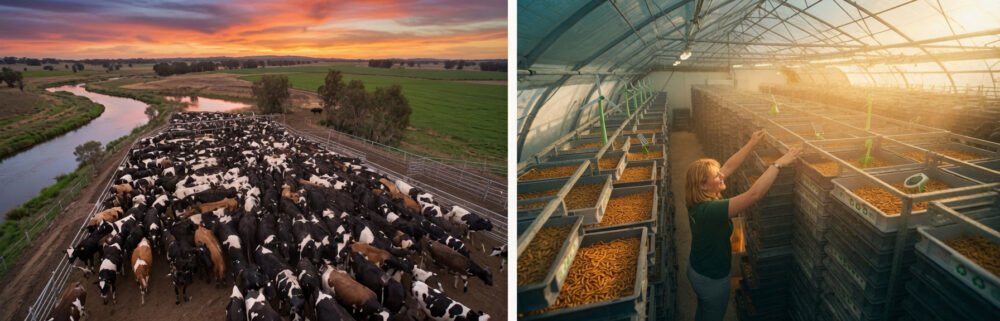
Insects are far more efficient:
Feed conversion: Crickets need only about 1.7–2 kg of feed per kg of body weight gain. By comparison, cattle need roughly 10 kg, pigs 5–6 kg, and chickens 2–2.5 kg. Because such a high percentage is edible, the advantage for actual protein production is even greater—potentially up to 12 times more efficient than beef in feed-to-edible-protein terms.
Land and water: Insect farming requires dramatically less land and far less water, and vertical systems are possible in warehouses or urban settings. They thrive in controlled environments without needing vast pastures or feed crops.
Emissions: Greenhouse gas and ammonia emissions are much lower than those from pigs or cattle. In some life-cycle assessments, insects emit roughly 100 times fewer GHGs per kg of protein than certain other foods.
Circular economy superstar: Many insects, like black soldier fly larvae, happily eat organic waste, food scraps, and agricultural byproducts—turning what would go to landfill (a major methane source) into high-value protein. This “waste-to-protein” loop is a game-changer for sustainability.
Modern insect farms demonstrate how scalable, efficient, and space-saving production can be.
In short, replacing even a portion of conventional meat with insect protein could free up land, cut emissions, reduce pressure on fisheries and forests, and help close the loop on food waste.
Feeding the Future: Food Security and Economic Opportunity.
With global population growth and climate pressures on traditional agriculture, we need resilient, efficient protein sources. Insects reproduce quickly, require little space, and can be farmed year-round in diverse climates. As a result, they already play a vital role in food security in many tropical regions, providing affordable, nutrient-dense protein during lean seasons.
Economically, insect farming creates new livelihoods—especially for smallholders, women, and landless people in developing countries. For example, Thailand alone has tens of thousands of cricket farmers. Mopane caterpillars generate tens of millions of dollars annually in southern Africa. In addition, new industries are emerging in processing (flours, snacks, pet food, and even animal feed), creating jobs from farming to product development.
In wealthier markets, innovative companies are already producing cricket powder, protein bars, and snacks that taste great and fit into familiar foods like cookies, smoothies, or energy bars.
Cricket powder and ready-to-eat products like protein bars make it easy to incorporate insect protein without significantly changing your eating habits.
Addressing the “Yuck Factor” and Practical Realities.
Yes, cultural acceptance is the biggest hurdle in many Western countries. Still, attitudes are shifting fast. Once people try well-prepared products—roasted crickets seasoned like nuts, or neutral-tasting cricket flour in baked goods—many are pleasantly surprised. The texture is often crunchy or nutty, not “bug-like.”
Safety is well managed on regulated farms: insects are clean, fast-growing, and pose lower zoonotic disease risks than many mammals or birds. In addition, regulatory frameworks are advancing (the EU has approved several species for food). Allergies are possible, especially for those with shellfish sensitivities due to chitin, but overall, properly farmed insects are considered safe.
Wild harvesting needs sustainable management to avoid overexploitation, which is why farming is the scalable path forward.
The Bottom Line: Why We Should Eat More Insects.
Eating insects isn’t about replacing every steak or chicken breast overnight. It’s about diversifying our protein sources with a highly nutritious option.
Environmentally far gentler than most conventional meat, efficient and scalable, supportive of food security and new economies, and culturally normal for billions of people already.
As the FAO and numerous researchers have concluded, insects offer a practical, evidence-based opportunity to improve human nutrition while reducing agriculture’s heavy environmental footprint.
The future of food doesn’t have to look like the past. It can include delicious, sustainable options that help us feed more people with fewer resources. Next time you see cricket flour, roasted mealworms, or an insect-based snack, give it a try.
Ready to start? Discover delicious, nutritious, and sustainable insect-based foods from JR Unique Foods. Our products—crafted from premium insects and insect powders in our HACCP-certified facility—make it easy to embrace the future of food. Whether you want protein-rich cricket flour for baking, roasted mealworms for snacking, or innovative snacks for on-the-go nutrition, JR Unique Foods offers safe, high-quality options you can trust. Explore our products and taste the future today.